
Depreciation Reports in BC: What Strata Buyers in Whistler and Pemberton Need to Know
If you’re buying a strata property in Whistler or Pemberton, there’s a document you need to understand before you make an offer: the depreciation report. It’s one of the most important pieces of due diligence available to strata buyers — and with new BC legislation coming into force, it’s about to become a lot harder to ignore.
What Is a Depreciation Report?
A depreciation report is a professional assessment of a strata corporation’s common property and assets. It’s prepared by a qualified professional such as an engineer, architect, or building consultant and covers two key areas:
The current physical condition of the building’s major systems and components — roofing, elevators, plumbing, exterior cladding, parking structures, and more
A 30-year financial forecast that projects when those components will need repair or replacement and how much it will cost
The report also evaluates whether the strata’s contingency reserve fund (CRF) — the savings account a strata collects through monthly fees — is adequately funded to cover those future costs.
In short, it answers a fundamental question every buyer should be asking: Is this building financially healthy, and are there expensive surprises on the horizon?
It’s important to remember that a depreciation report is a planning document — not a guarantee that future repairs won’t cost more than projected.
Why It Matters for Buyers
Strata properties come with shared costs. When a roof needs replacing or a building requires structural repairs, those bills are split among owners — sometimes in the form of a special levy, which is an additional one-time charge on top of your regular strata fees.
A depreciation report helps you understand what you’re walking into. A well-funded strata with a thorough, up-to-date report is a very different purchase than one with aging infrastructure, a depleted reserve fund, and no plan in place.
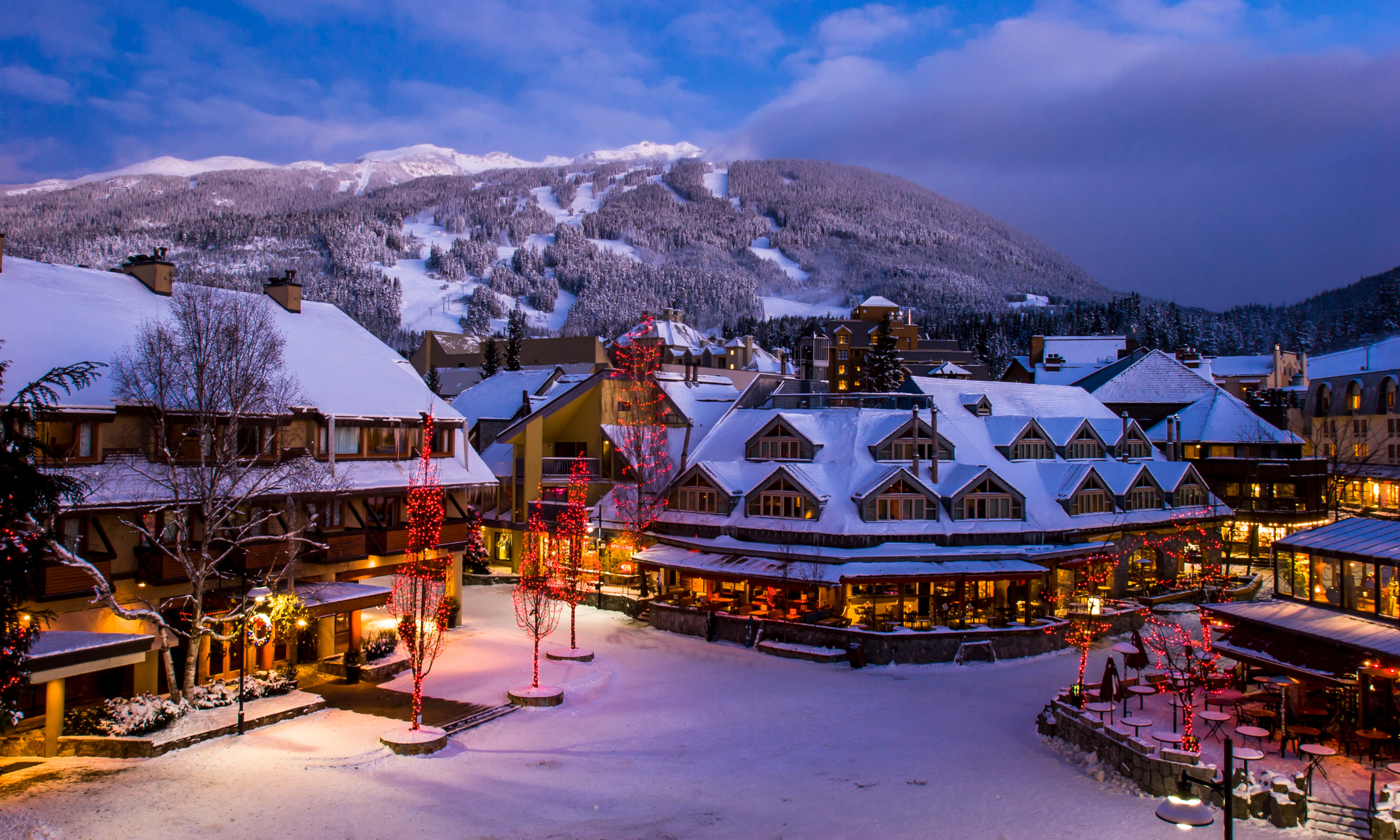
In a market like Whistler, where many strata buildings have been operating for 20 to 40 years, this context is especially important. Ski-in/ski-out complexes, village condos, and resort properties face heavy usage and harsh mountain weather conditions — all of which accelerate wear on building systems.
What to Look for in a Depreciation Report
Not all depreciation reports are created equal. Here’s what to pay attention to when reviewing one:
Age of the report: More recent reports generally provide a better picture of the building’s current condition. It’s important to consider both the age of the report and whether major projects have already been completed since it was prepared.
Reserve fund balance vs. recommended funding: A low reserve fund isn’t always a dealbreaker, but it’s important to understand whether the strata has a realistic plan for future expenses.
Upcoming major expenditures: Note anything flagged in the next 5–10 years — roofing, windows, mechanical systems — and factor that into your cost projections.
Deferred maintenance: Items that have been flagged in past reports but not addressed are worth investigating further.
Funding model chosen: Stratas can follow different funding scenarios (baseline, threshold, or full funding). Understanding which model is being used affects how you interpret the numbers.
Your real estate agent and a strata lawyer can help you interpret what you’re reading. If a report raises concerns, it’s worth requesting the last few years of AGM minutes and strata financials as well.
The New BC Rules: Depreciation Reports Are Becoming Mandatory
Here’s where things are changing significantly for buyers and owners across BC.
Under recent amendments to the Strata Property Act, depreciation reports are becoming mandatory for most strata corporations with five or more lots, and the annual opt-out vote process that previously allowed stratas to waive the requirement has been eliminated.
Reports must be renewed on a mandatory 5-year cycle going forward.
The deadlines are being phased in regionally:
Metro Vancouver, Fraser Valley, and Capital Regional District: Mandatory as of July 1, 2026
Rest of BC — including Whistler and Pemberton: Mandatory as of July 1, 2027
New stratas established on or after July 1, 2024: Must complete their first report within 2 years of their first Annual General Meeting (AGM)
Note: The regional phased deadlines exclude islands only accessible by air or boat.
What this means practically: if you’re buying a strata in Whistler or Pemberton today, the building may not yet have a depreciation report on file — or may have one that hasn’t been renewed recently. That gap is closing quickly. By July 1, 2027, most qualifying stratas in our area must have a current report in place.
For buyers, this is actually good news. More stratas will be required to have up-to-date assessments, which means more transparency and better information at the point of purchase.
What If There’s No Depreciation Report?
If you’re reviewing a strata that doesn’t have a current depreciation report, it’s not necessarily a dealbreaker — but it does require more diligence on your part. In that situation, it’s worth:
Reviewing the strata’s financial statements and reserve fund balance carefully
Asking the strata council whether a depreciation report is in progress
Reviewing AGM minutes for any discussion of deferred maintenance or upcoming capital projects
Considering a pre-purchase inspection of the unit and any accessible common areas
An experienced strata lawyer can also help you understand the strata’s financial health and flag any concerns before you remove subjects.
A Note on Whistler’s Unique Strata Landscape
Whistler has a distinct mix of strata property types — from hotel-style managed residences and Phase 1 nightly rental properties in the village core, to residential townhomes, bare land stratas in Creekside, and everything in between. The type of strata you’re buying into affects not just the depreciation report, but also your strata fees, the level of professional management in place, and the reserve fund history.
Some bare land stratas may have fewer shared building components than apartment-style buildings, which can affect both the scope of the depreciation report and reserve fund planning.
In some Whistler stratas — particularly older village properties with high rental turnover — the wear and tear on common property can be substantial. That’s exactly the context a depreciation report is designed to surface.
Understanding whether a strata is well-managed and financially prepared is one of the most important parts of buying in this market. The depreciation report is one of your best tools for doing that.
Working With a Realtor Who Knows Strata
Depreciation reports can be dense documents, and knowing what to look for — and what questions to ask — takes experience. When you’re buying in Whistler or Pemberton, working with a local realtor who understands the strata landscape and can help you interpret the documents you’re reviewing is genuinely valuable.
If you’re looking at a strata property in Whistler or Pemberton and want help navigating the due diligence process, I’m happy to walk you through it. Get in touch and let’s talk about what you’re looking at.
